
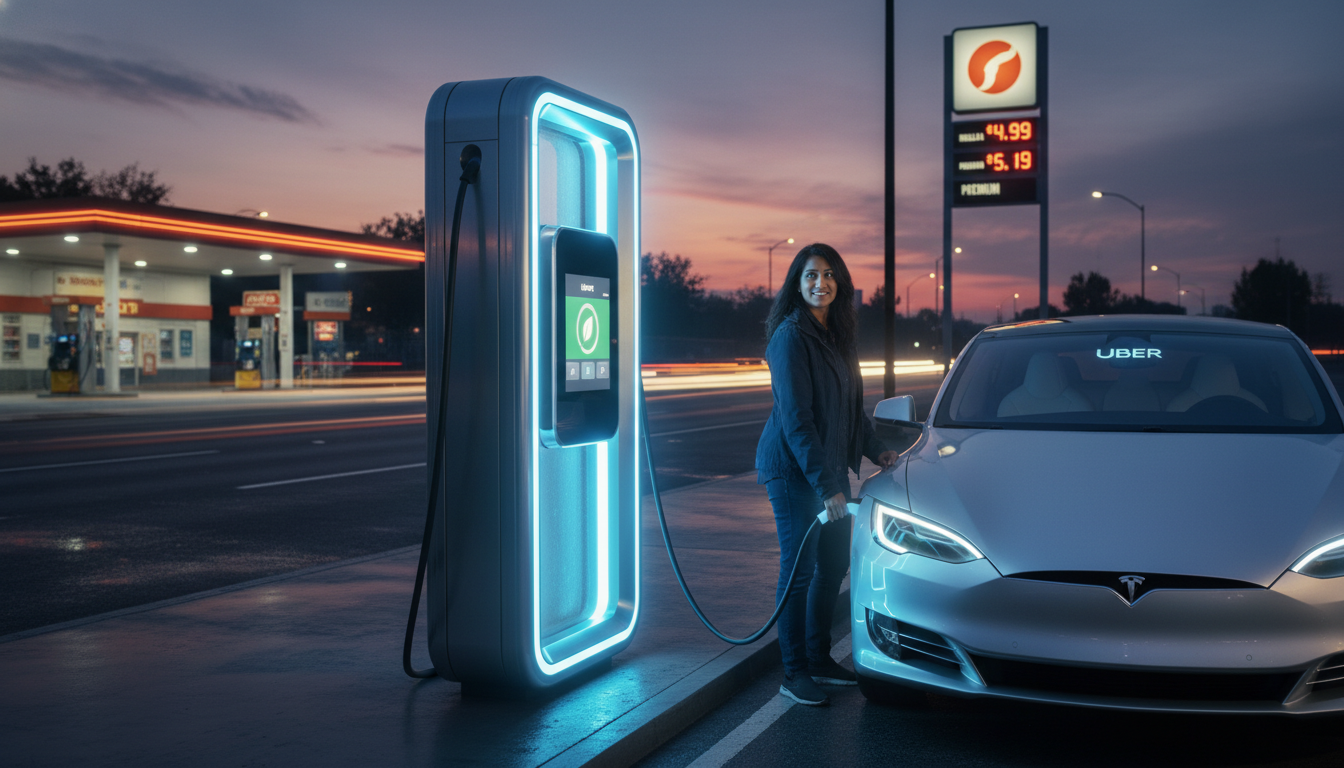
For independent contractors navigating the gig economy, the profit margin is a delicate balance, heavily dependent on external factors often entirely out of their control. Among these variables, the price of gasoline stands as the most formidable hurdle. Recently, rideshare drivers have felt an intensifying squeeze on their earnings due to surging fuel costs. Recognizing this mounting pressure and the urgent need for sustainable transportation solutions, Uber has made a landmark decision. The rideshare giant is officially expanding its highly anticipated $4,000 “Go Electric” grant to drivers nationwide, marking a significant milestone in the shift toward electrified fleets and offering a crucial financial lifeline to workers feeling the pain at the pump.
The Financial Strain of Rising Fuel Costs
The timing of this nationwide rollout is far from coincidental. Global energy markets are notoriously volatile, reacting swiftly to international conflicts and geopolitical instability. Recently, escalating tensions in the Middle East—specifically the military engagements involving the US, Israel, and Iran—have sent shockwaves through the oil industry. As a direct result, gas prices across the United States have been climbing at a steady and alarming clip.
For the average commuter, a spike in gas prices is a frustrating inconvenience. However, for an Uber driver whose vehicle is their primary source of income, these increases are devastating. Every additional cent per gallon directly cannibalizes their take-home pay. Drivers who rely on traditional internal combustion engine vehicles find themselves working longer hours simply to cover their heightened operational overhead, making the pursuit of a livable wage increasingly difficult in an already competitive market.
From Pilot to Nationwide: The Evolution of “Go Electric”
Uber’s approach to electrification wasn’t born overnight. The company initially tested the waters with a targeted pilot program, offering the $4,000 “Go Electric” incentive to drivers in select markets, including California, Colorado, Massachusetts, and New York City. The premise was straightforward: provide a substantial financial bridge to help drivers swap their aging, fuel-inefficient gas guzzlers for modern electric vehicles.
The results of this localized initiative clearly exceeded expectations. Drivers who made the switch reported significant reductions in their daily operating expenses, while Uber successfully advanced its corporate sustainability metrics. Encouraged by these positive outcomes and the pressing economic environment, the company has now dismantled the geographic restrictions, opening the $4,000 grant eligibility to its entire fleet of drivers across the United States for the very first time.
Breaking Down the Financial Barrier to Entry
Despite the clear operational advantages of driving an electric vehicle, the initial acquisition cost remains a formidable barrier for many gig workers. EVs typically carry a higher sticker price than their gas-powered counterparts, making the transition financially daunting for an independent contractor. The $4,000 grant serves as a critical equalizer. By subsidizing the upfront cost of an EV, Uber is effectively lowering the barrier to entry, making sustainable driving an accessible reality rather than an out-of-reach luxury. This grant can be applied toward the purchase or lease of a qualifying electric vehicle, providing drivers with the flexibility they need to make the best financial decision for their specific circumstances.
Beyond the Pump: The Long-Term Economic Advantages
While avoiding the gas station is the most immediate and visible benefit of transitioning to an electric vehicle, the long-term economic advantages extend much further. Electric vehicles inherently have fewer moving parts than traditional gas-powered cars. There are no oil changes to schedule, no spark plugs to replace, and significantly less wear and tear on braking systems due to regenerative braking technology.
Over the lifespan of the vehicle, these reduced maintenance requirements translate into thousands of dollars in savings. For a rideshare driver logging tens of thousands of miles annually, these savings compound rapidly, transforming the EV from a simple mode of transport into a highly efficient, high-yield business asset.
Accelerating the Zero-Emission Vision
Uber’s nationwide expansion of the grant is not merely a reactionary measure to high gas prices; it is a calculated step toward a much broader corporate mandate. The company has publicly committed to becoming a zero-emission mobility platform by 2030 in the US, Canada, and Europe. Achieving this ambitious goal requires the active participation of millions of drivers. Financial incentives like the “Go Electric” program are the engine driving this transition. By aligning the financial interests of the drivers with the environmental goals of the company, Uber is fostering a symbiotic relationship that accelerates the adoption of green technology on a massive scale.
The Ripple Effect on the Rideshare Industry
The implications of Uber’s expanded grant extend beyond the immediate financial relief for individual drivers. As more electric vehicles enter the rideshare network, the entire gig economy ecosystem begins to shift. Competitors in the ride-hailing and delivery sectors will likely face increased pressure to offer similar incentives, sparking a competitive race toward electrification. Furthermore, the increased visibility of EVs being used for demanding, high-mileage commercial applications serves as a powerful testament to their reliability and practicality. This widespread exposure can help demystify electric vehicles for the general public, potentially accelerating consumer adoption rates far beyond the rideshare industry.
As the transportation landscape continues to evolve under the pressures of economic volatility and environmental necessity, initiatives that bridge the gap between sustainability and profitability become essential. Empowering drivers to leave behind the unpredictable costs of fossil fuels not only stabilizes their livelihoods but also reshapes the daily commute for millions of passengers. Every electric mile logged represents a quiet victory over the gas pump, signaling a transformative era where the vehicles driving the gig economy are as forward-thinking as the technology that connects them.